Strudel Design System Journey
Strudel Design System Journey
Scalable foundations for Strudel’s AI copilot — embedded today, platform-ready tomorrow.
Scalable foundations for Strudel’s AI copilot — embedded today, platform-ready tomorrow.
Scalable foundations for Strudel’s AI copilot — embedded today, platform-ready tomorrow.
Speed Read In a rush?
Here's the gist.
Speed Read In a rush?
Here's the gist.
Process
Process
I led the creation of Strudel’s first design system. I began with a UI audit across integrations, defined design tokens, built portable components for embeds, and introduced AI‑specific patterns such as Evidence Chips and a Verification Loop that mirrors the product’s Close‑the‑Loop behavior. I then extended the same foundations to Strudel’s upcoming standalone platform.
I led the creation of Strudel’s first design system. I began with a UI audit across integrations, defined design tokens, built portable components for embeds, and introduced AI‑specific patterns such as Evidence Chips and a Verification Loop that mirrors the product’s Close‑the‑Loop behavior. I then extended the same foundations to Strudel’s upcoming standalone platform.
Impact
Impact
The new system improved developer handoff and reduced design/build time by ~30–40%. More importantly, Dawn’s presence now feels consistent and trustworthy across all integrations, while laying the foundation for Strudel’s future dashboard product
The new system improved developer handoff and reduced design/build time by ~30–40%. More importantly, Dawn’s presence now feels consistent and trustworthy across all integrations, while laying the foundation for Strudel’s future dashboard product
Tools
Tools
Figma, Miro
Figma, Miro
Role
Role
Solo Product Designer
Solo Product Designer
Timeline
Timeline
4 - 6 months
4 - 6 months
YEAR
YEAR
2025
2025
2025
Project Overview
Strudel AI builds an intelligent copilot for technical support teams. Dawn, the virtual support engineer, is powered by a proprietary small‑language model (SLM). It ingests telemetry, logs, and code changes to help diagnose and resolve issues, and it closes the loop by drafting responses, linking to Jira or Freshdesk, and confirming fixes against production signals.
At the time, Dawn appeared in multiple host tools — Freshdesk, Jira, Zendesk, and Slack — but each implementation looked slightly different. Buttons, colors, and text styles varied. Accessibility was inconsistent. AI insights did not follow a clear pattern. This slowed development and risked undermining trust in Dawn’s suggestions.
I was asked to create Strudel’s first design system that would:
Bring consistency across existing integrations
Define portable, reusable patterns for AI explanations
Meet accessibility standards for enterprise customers
Could expand into a full platform once Strudel launched its own dashboards
GM x UofM
General Motors (GM) partnered with the University of Michigan (UofM) to facilitate students' exploration and comprehension of the design of in-vehicle infotainment (IVI) systems. As part of this collaboration, we visited GM's office in Warren, MI, where we received a comprehensive design brief and gained insight into GM's IVI design process. We learned about the specific approaches taken by various GM car teams, such as those responsible for Buick, Chevrolet, and Cadillac vehicles. The given design brief :
Develop a new In-vehicle experience for the luxury car segment focusing on in-car themes.

Project Statement
Problem
Problem
Dawn didn’t feel like the same assistant everywhere. In Freshdesk, AI insights were plain text. In Jira, they looked like standard comments. In Slack, they were message blocks formatted differently again.
This fragmentation created two problems: support engineers struggled to recognize Dawn’s outputs quickly, weakening trust, and developers wasted time recreating UI elements for each host tool. For a company focused on reducing support friction, these gaps were slowing both adoption and delivery.
What did I do?
I built a two‑mode design system that works today inside host tools and tomorrow inside Strudel’s own platform.
Scope at a glance
Audited Freshdesk, Jira, Zendesk, and Slack surfaces to document inconsistencies and accessibility gaps
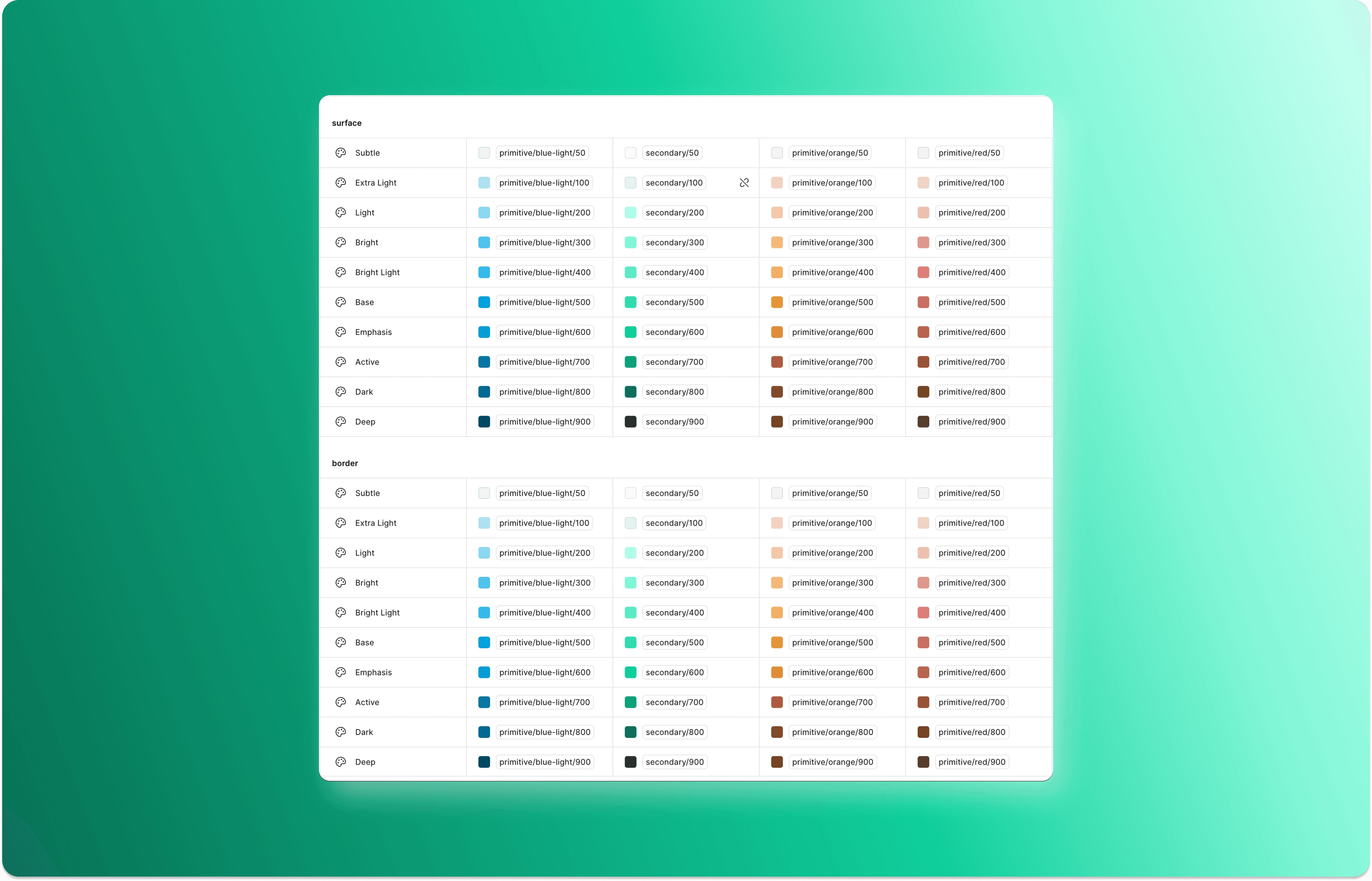
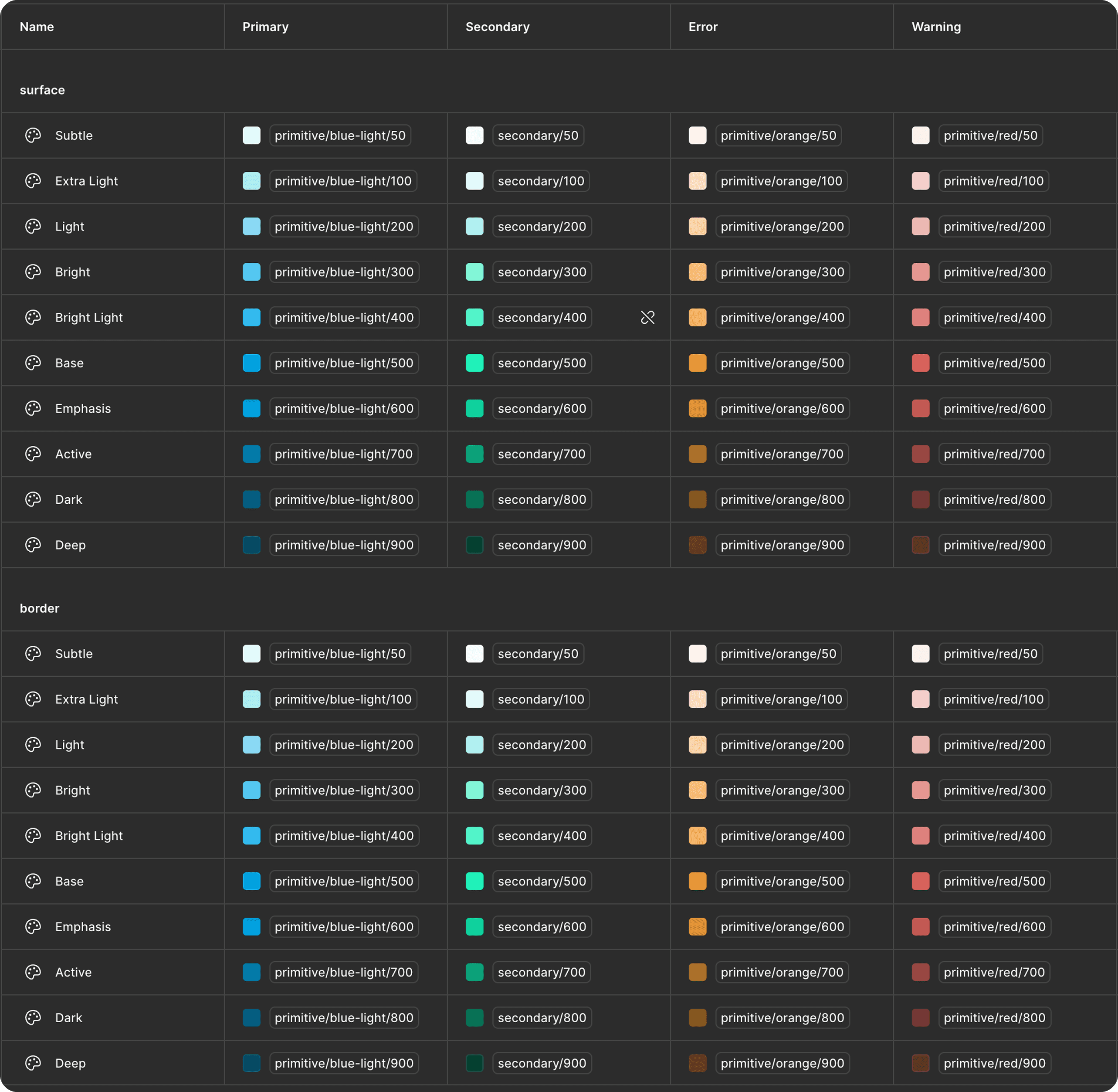
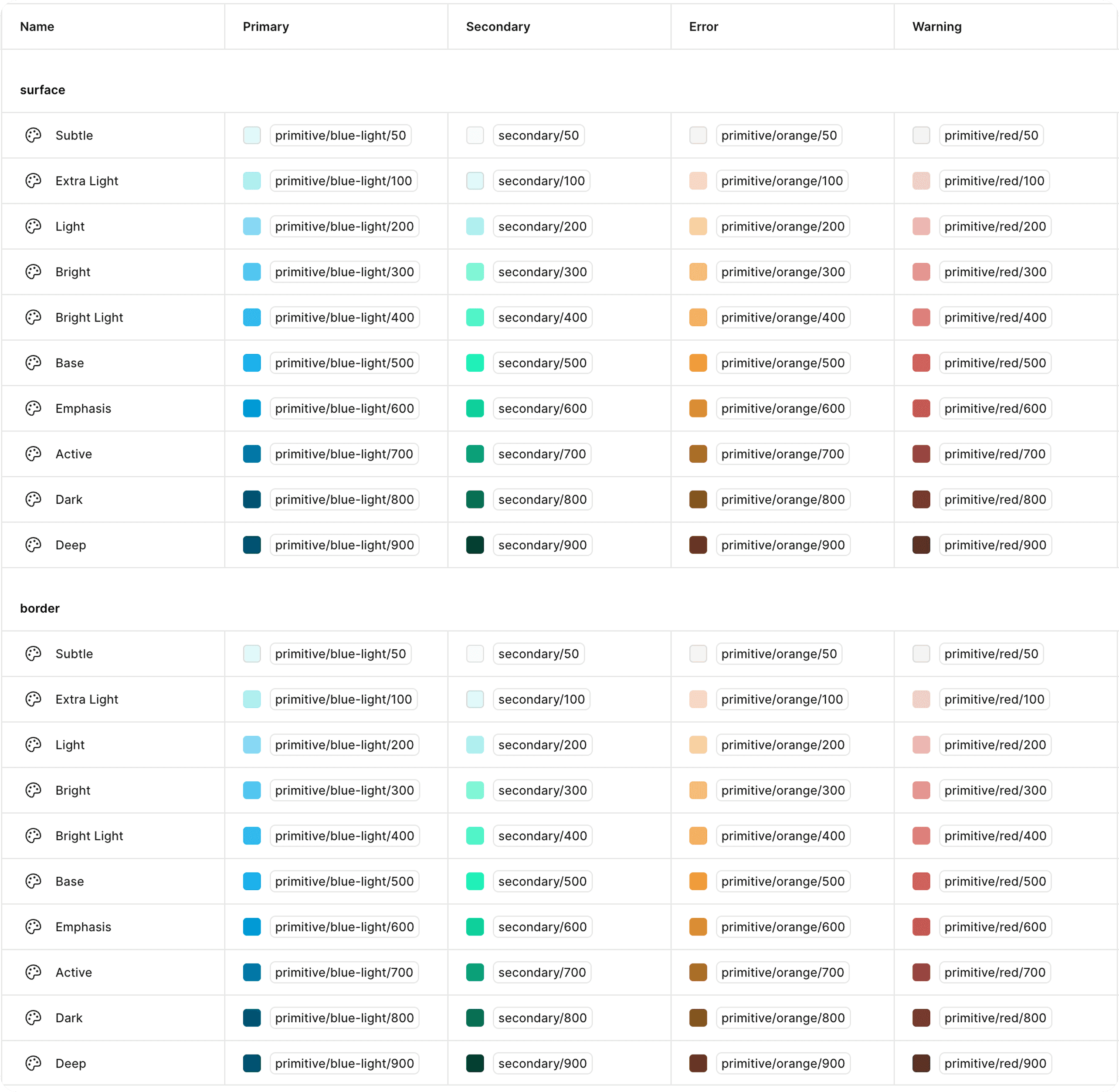
Established design tokens for color, typography, spacing, states, focus, and motion with host‑aware mappings
Designed portable AI components: AI Insight Card, Evidence Chips, Verification Badge, Explainability Block, and Close‑the‑Loop actions
Documented usage, do’s/don’ts, and accessibility guidance in Figma and Storybook
Extended patterns to standalone needs: navigation, tables, charts, role‑based templates
The Impact?
30–40% faster UI delivery
Reusable components and clear specs enabled teams to ship common flows significantly faster.
60–75% component reuse
High reuse across Freshdesk, Jira, and Slack ensured consistency after the first release cycle.
35–50% fewer visual regressions
A single source of tokens reduced styling drift across embedded surfaces.
25–30% fewer a11y issues
Accessibility tokens and WCAG-aligned patterns lowered QA defect counts on key screens.
1–2 days saved per feature
Storybook parity and code examples shortened design-to-dev handoff cycles.
Goal
Define a consistent visual identity for Dawn across Freshdesk, Jira, and Slack
Introduce AI-specific UI patterns to make reasoning clearer and more trustworthy
Ensure accessibility compliance for enterprise customers
Lay the groundwork for Strudel’s upcoming standalone platform
Why a Design System and Not Just Fixes?
Fixing inconsistencies one by one would only treat the symptoms. What Strudel needed was a single source of truth that designers, engineers, and product managers could all use.
A design system provided:
Consistency:
agents recognize Dawn instantly across tools
Efficiency:
engineers reuse stable parts instead of rebuilding variants
Scalability:
the same foundations power both embedded and standalone experiences
Quality:
accessibility and Close‑the‑Loop patterns are built‑in, not bolted on
Project Statement
Designing a luxury vehicle experience integrating advanced personalization, AI-driven features, and ergonomic design to enhance comfort, convenience, and safety.
Overview / Summary
General Motors gave us an assignment to create a cross-channel experience that integrates in-vehicle systems with a mobile app for the luxury segment. Our goal was to design features that enhance the driving experience without compromising safety. We focused on personalization, advanced technology, seamless integration, and safety, incorporating customizable themes, AI-driven voice assistants, and an ergonomic HUD to meet luxury user expectations and ensure a superior experience.
Problem Statement
General Motors tasked us with developing a new cross-channel experience, integrating in-vehicle systems with a mobile app, for one of three predefined customer segments: mass market, performance, and luxury. We chose to focus on the luxury segment. Our goal was to design features that appeal to luxury users, including a required in-vehicle theme feature. Therefore, we formulated the following problem statement: How can we integrate advanced, personalized features into a luxury vehicle to enhance the driving experience without compromising driver safety?
Process
This category details the step-by-step approach taken during the project, including research, planning, design, development, testing, and optimization phases.
Auditing existing designs
Auditing existing designs
I began with a full audit of Strudel’s presence in Freshdesk, Jira, and Slack. The goal was to map inconsistencies and accessibility issues. Dawn’s insights appeared differently in each tool, making it hard for agents to recognize and trust them.
Key findings:
Button and tag styles varied widely
AI outputs inconsistent: plain text in some cases, highlighted in others
Components duplicated separately per host environment
Accessibility gaps: poor contrast, missing screen reader labels
Understanding Team Needs
Understanding Team Needs
I interviewed support agents, engineers, and PMs to align on what “trustworthy and fast” should mean in daily work.
What I heard
Agents need short, scannable AI insights with clear next actions
Engineers need portable, host‑aware components with tight Storybook docs
PMs want scalability so the same system extends into Strudel’s own platform
Establishing Foundations
Establishing Foundations
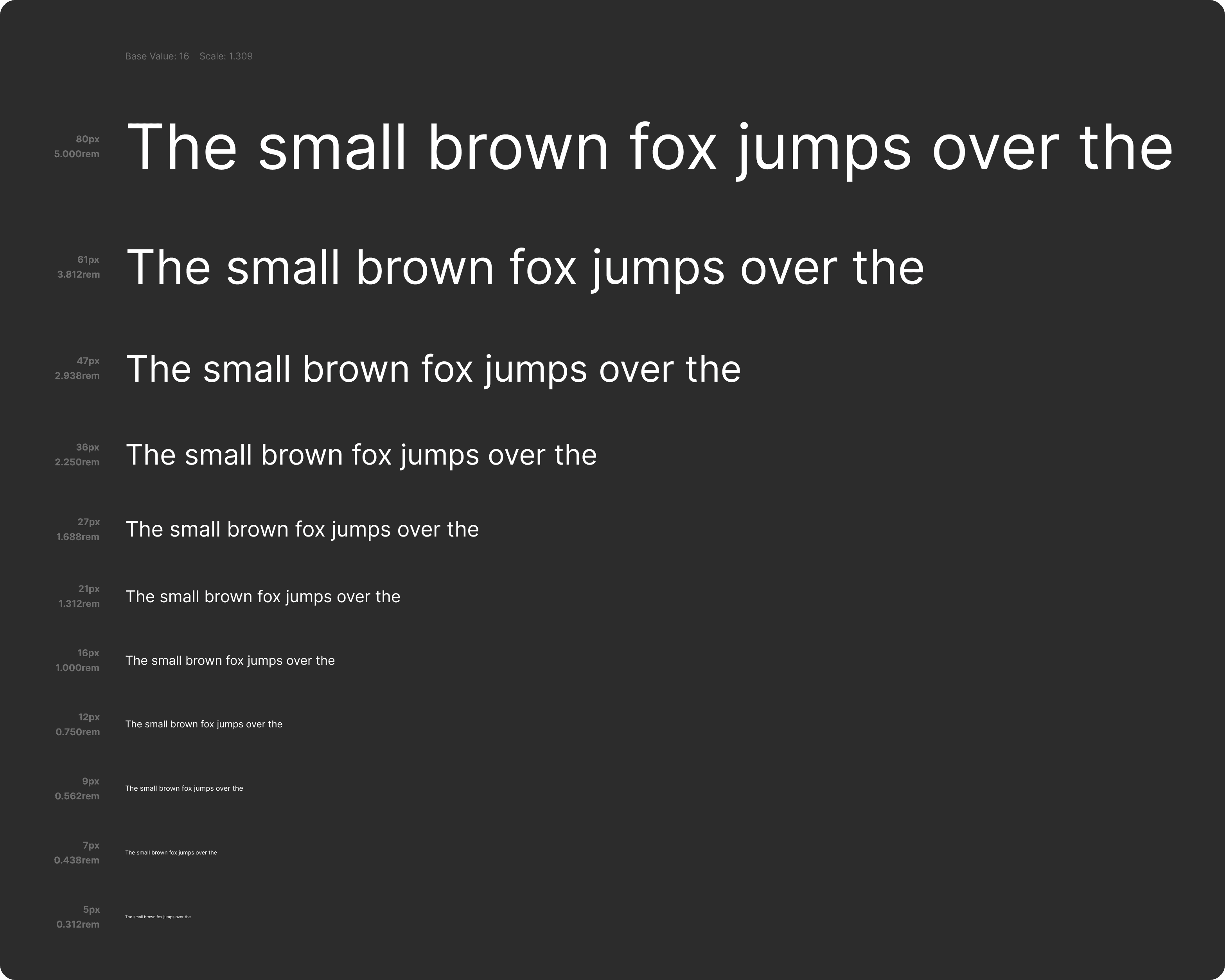
I created tokens and rules that travel well across hosts and scale into a first‑party app.
Core tokens defined
Semantic color palette for success, warning, error, and info
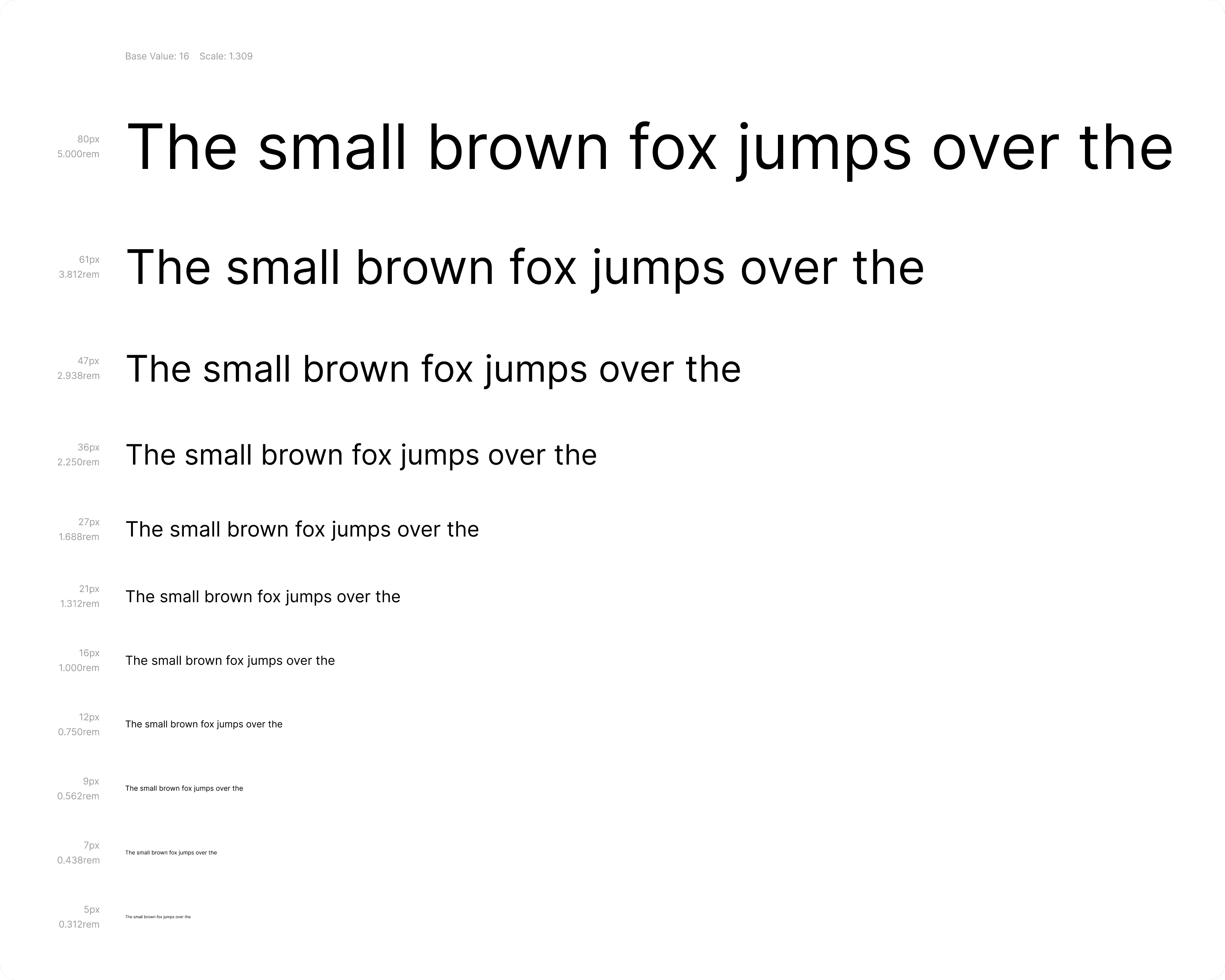
Typographic hierarchy: Inter for UI, monospace for logs and telemetry
8‑point spacing grid for predictable density
Focus and accessibility tokens compliant with WCAG 2.1 AA
Building Components and Patterns
Building Components and Patterns
I designed portable, host‑aware components that feel native but remain distinctly Strudel.
Components and patterns
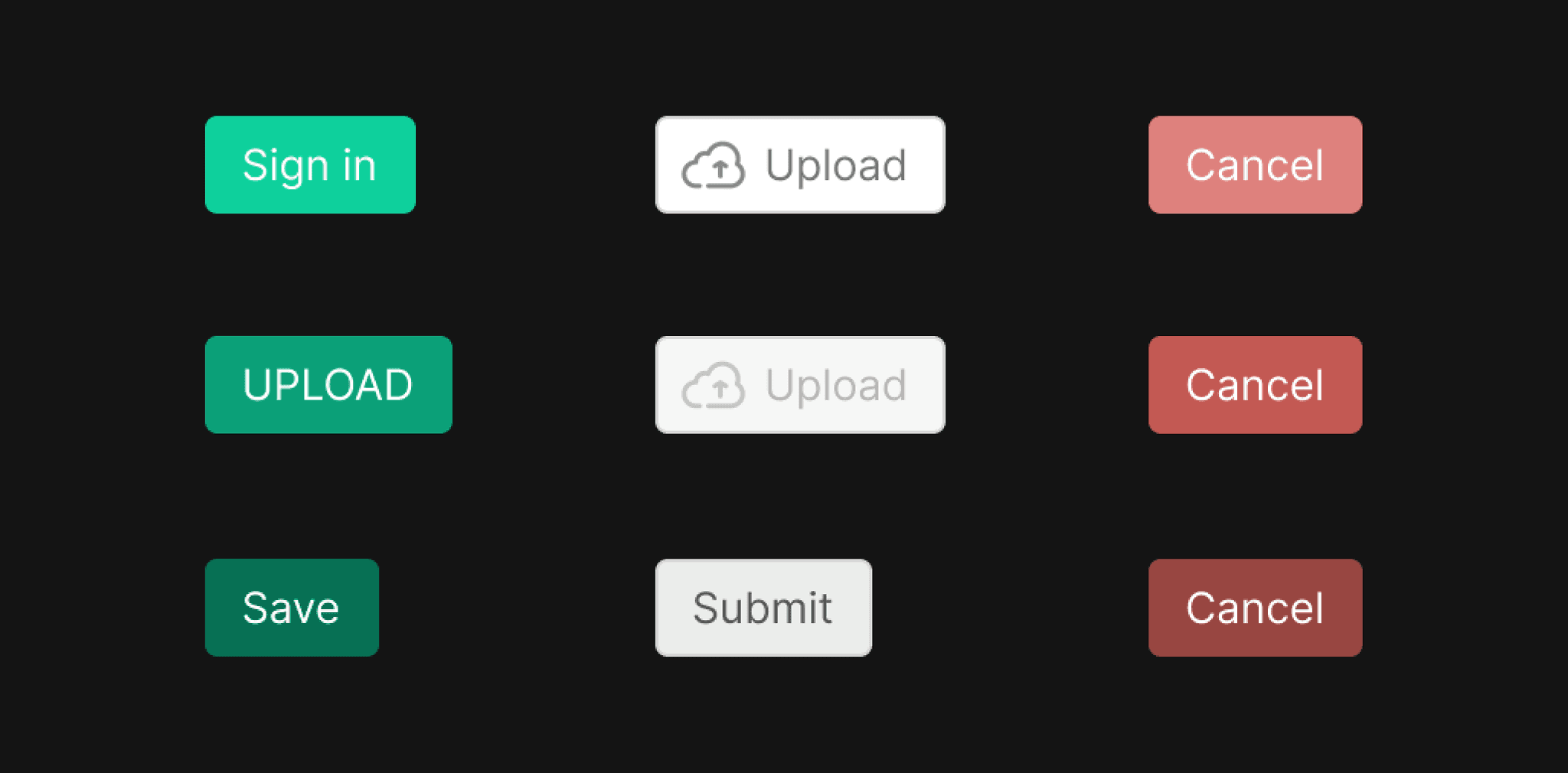
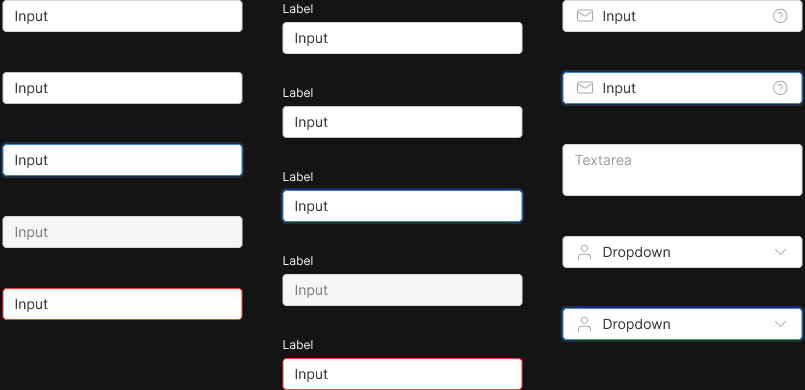
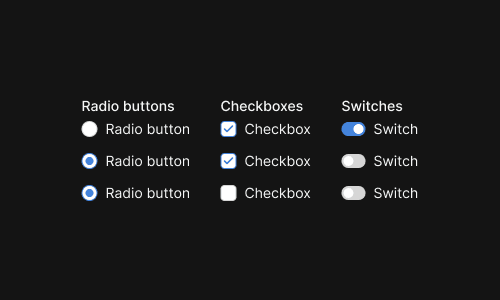
Atoms: buttons, inputs, tags, badges
Molecules: AI Insight Card, Evidence Chips, Verification Badge
Organisms: ticket detail with explainability, RCA timeline, verification panel
Patterns: Explainability Block, Verification Loop (Close‑the‑Loop: draft → link to Jira/Freshdesk → confirm), Escalation Guardrail

Bridging Design and Development
Bridging Design and Development
To ensure adoption, I worked closely with engineers to publish the library in Storybook. This created a reliable pipeline from design to code.
Collaboration outputs
Figma components mapped 1:1 to Storybook components
Usage and accessibility guidance for every component
Jira workflows linked to component status for visibility
Reduced rework and faster alignment across design and dev
This category details the step-by-step approach taken during the project, including research, planning, design, development, testing, and optimization phases.
Research
Conducted market research to identify existing scheduling challenges and user preferences. Defined target audience segments and outlined key features based on user needs and market trends.
Design & Prototyping
Collaborated with designers to create intuitive user interfaces and interactive prototypes. Iteratively refined designs based on user feedback to enhance usability and visual appeal.
Implementation
Leveraged agile development methodologies to build the scheduling app from the ground up. Prioritized feature development based on user feedback and technical feasibility. Implemented AI algorithms to analyze user behavior and optimize scheduling recommendations.
Testing & Optimization
Conducted rigorous testing across various devices and platforms to ensure compatibility and performance. Gathered user feedback through beta testing and iteratively optimized the app based on usability metrics and user satisfaction.
Process
Two Worlds: Embedded Today, Platform Tomorrow
Part 1 — Embedded Copilot (Current State)
When Strudel was first introduced into Freshdesk, Jira, and Slack, each integration looked inconsistent. For example, in Freshdesk (see “Before” images), insights were delivered as plain yellow text blocks with no visual hierarchy or structure. While functional, this forced agents to parse raw paragraphs of analysis, slowing comprehension and reducing trust in the system.
Problem before Redesign?
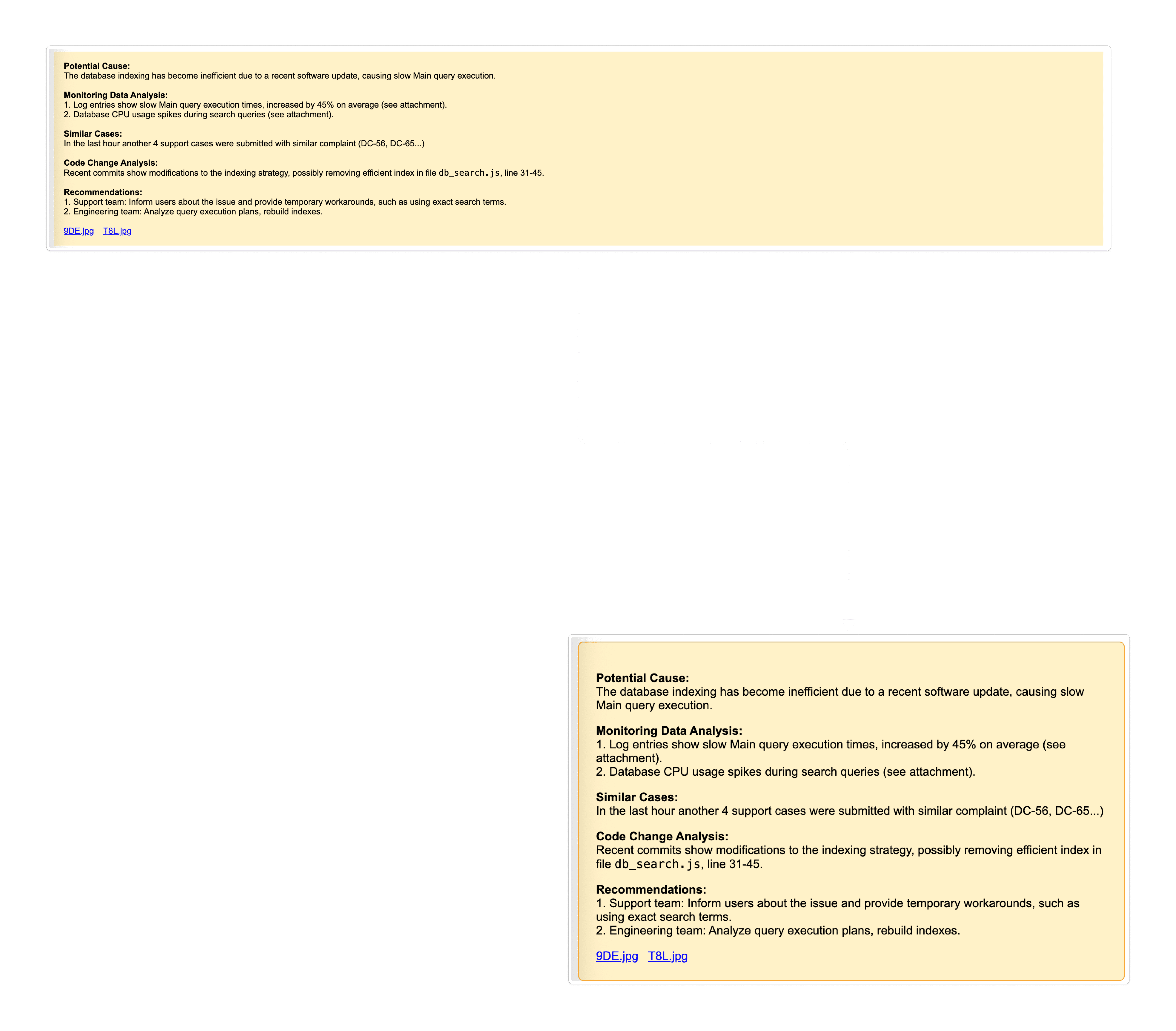
To address this, I applied a design system lens to reimagine the embedded experience. In the redesigned version (see video), Dawn’s insights appear as a structured AI Insight Card with:
Evidence Chips (logs, telemetry, commits, similar cases)
Explainability Block (clear reasoning behind suggestions)
Verification Badge (pending → verified → follow-up)
Action Row (draft reply, link to Jira, mark as verified)
Instead of isolated text, insights are now delivered through a consistent AI Insight Card across hosts, adaptable to Freshdesk, Jira, or Slack while still feeling native to each environment.
System Foundations
Tokens: Freshdesk-native palette (Green #2CB971, Orange #F59E0B, Red #E53A35, Blue #3A7BD5), system font at 14–16px, 8px spacing grid, 4–8px border radius, and Soft Shadows (1–2).
Components:
Buttons — Primary & Secondary with hover/active states
Chips — Logs, Telemetry, Commits, Similar Cases
Badges — Pending, Verified, Error states
Action Row — contextual actions (Draft Reply, Link to Jira, Mark as Verified)
Patterns:
Explainability Block — clear “why” behind each suggestion
Evidence Grouping — scannable chips for supporting data
Verification States — confidence evolving from Pending → Verified
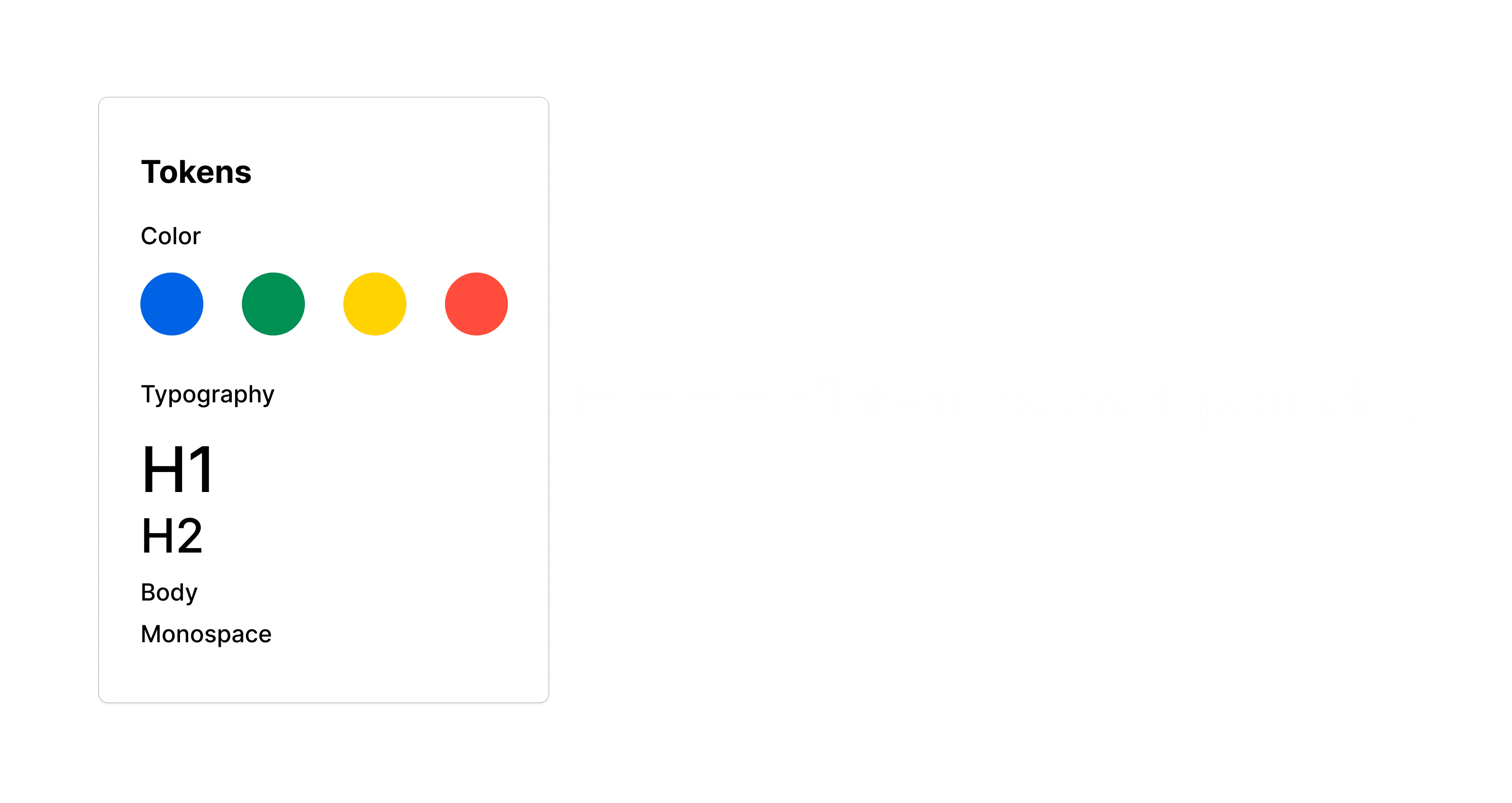
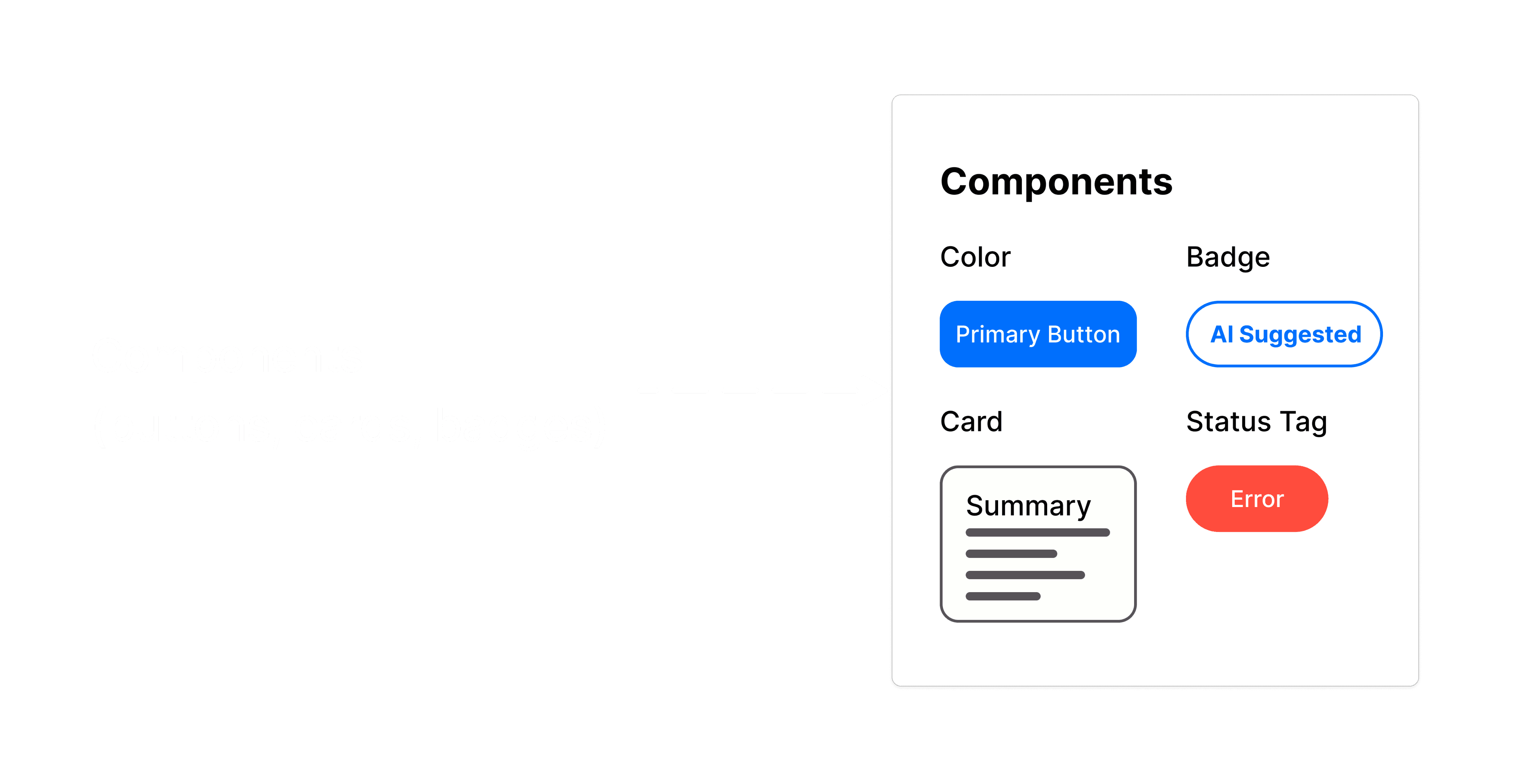
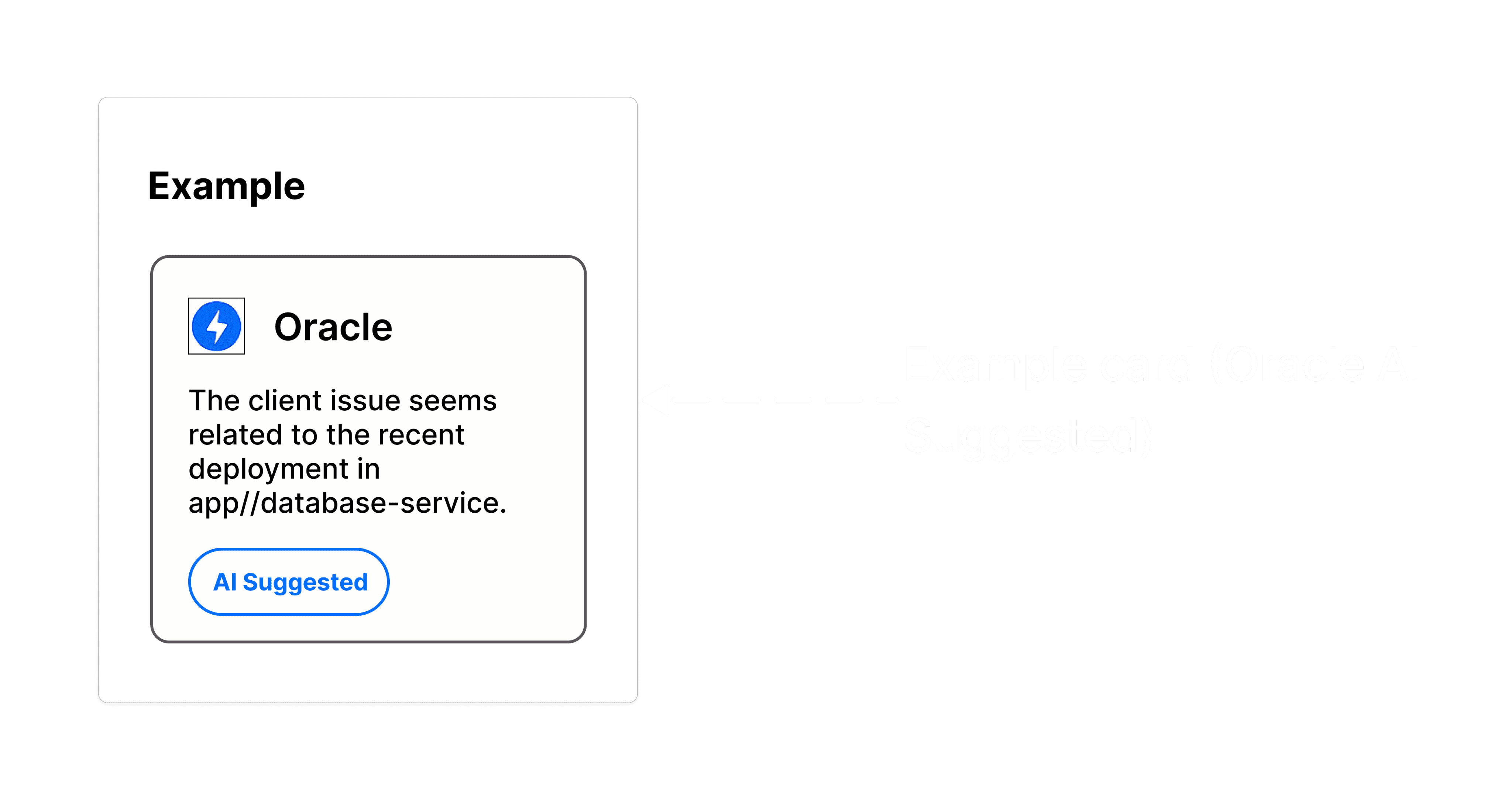
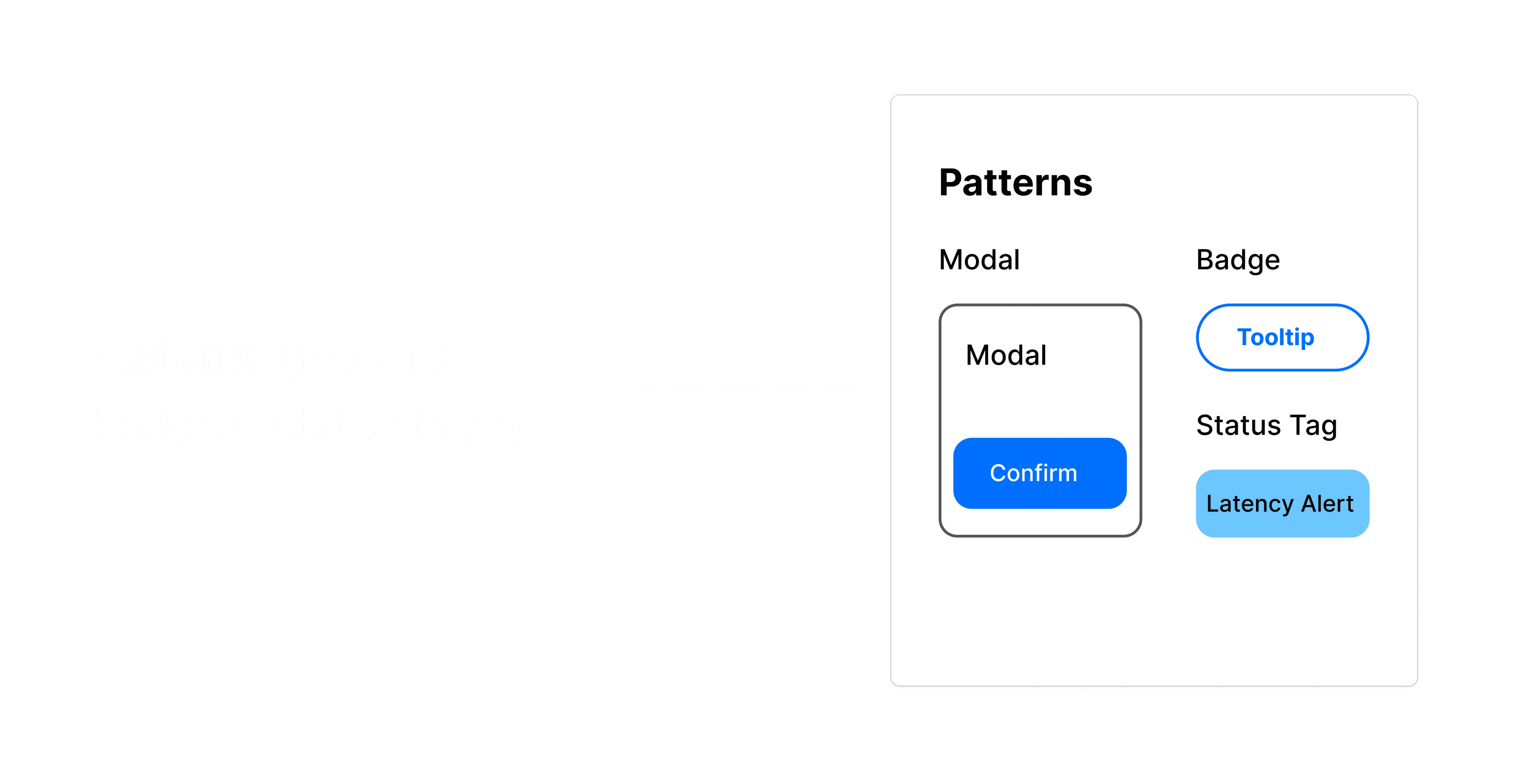
Design System Foundations
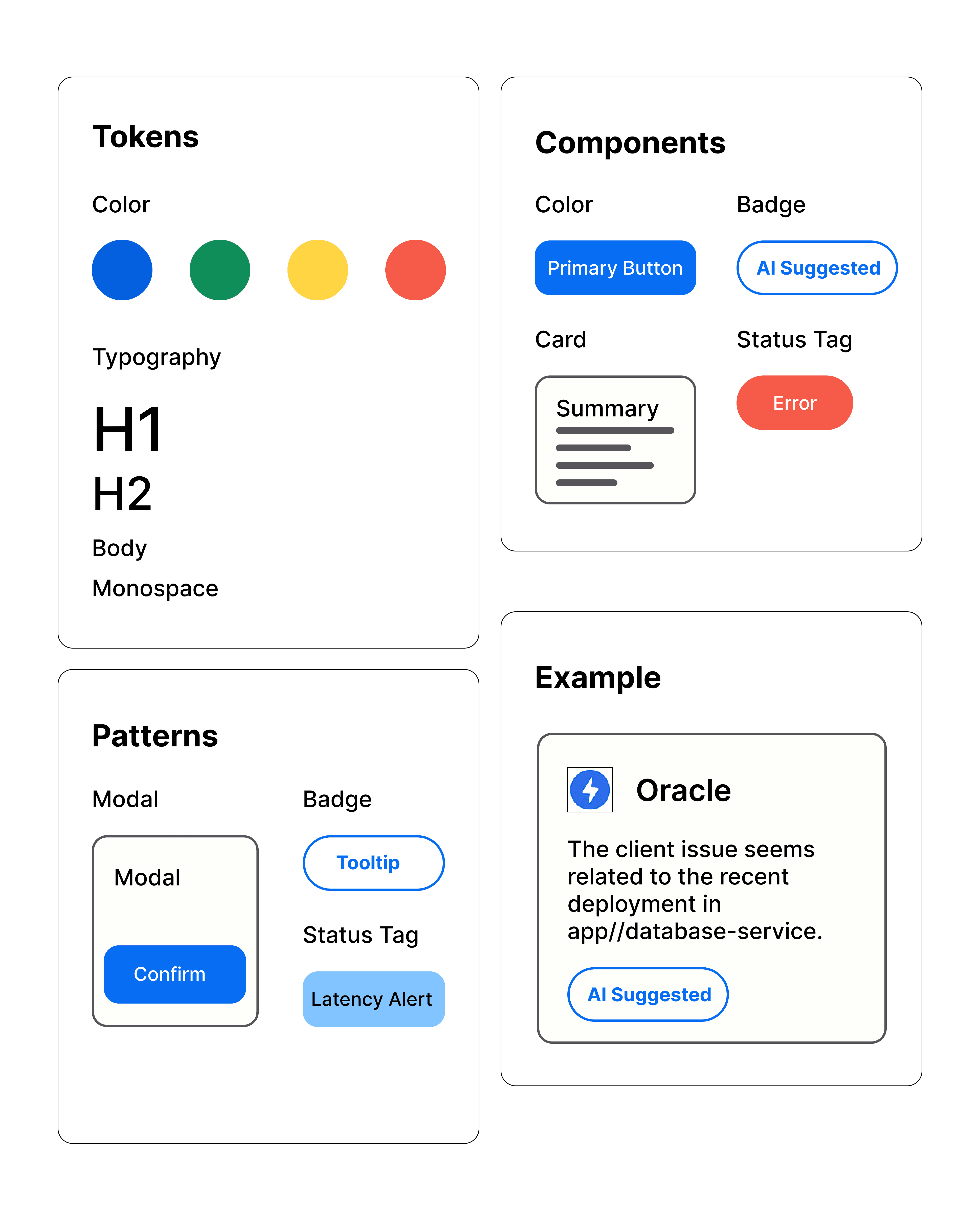
Application in Freshdesk

Outcome
Agents now see structured, scannable cards instead of raw text.
Design tokens ensure consistency across Slack, Jira, and Freshdesk while still respecting each host’s native look and feel.
The restructured card makes Strudel’s presence feel trustworthy, actionable, and embedded seamlessly.
These same foundations also pave the way for a future standalone design system, ensuring scalability.
Redesigned Interaction Video
Part 2 — Standalone Platform (Future State)
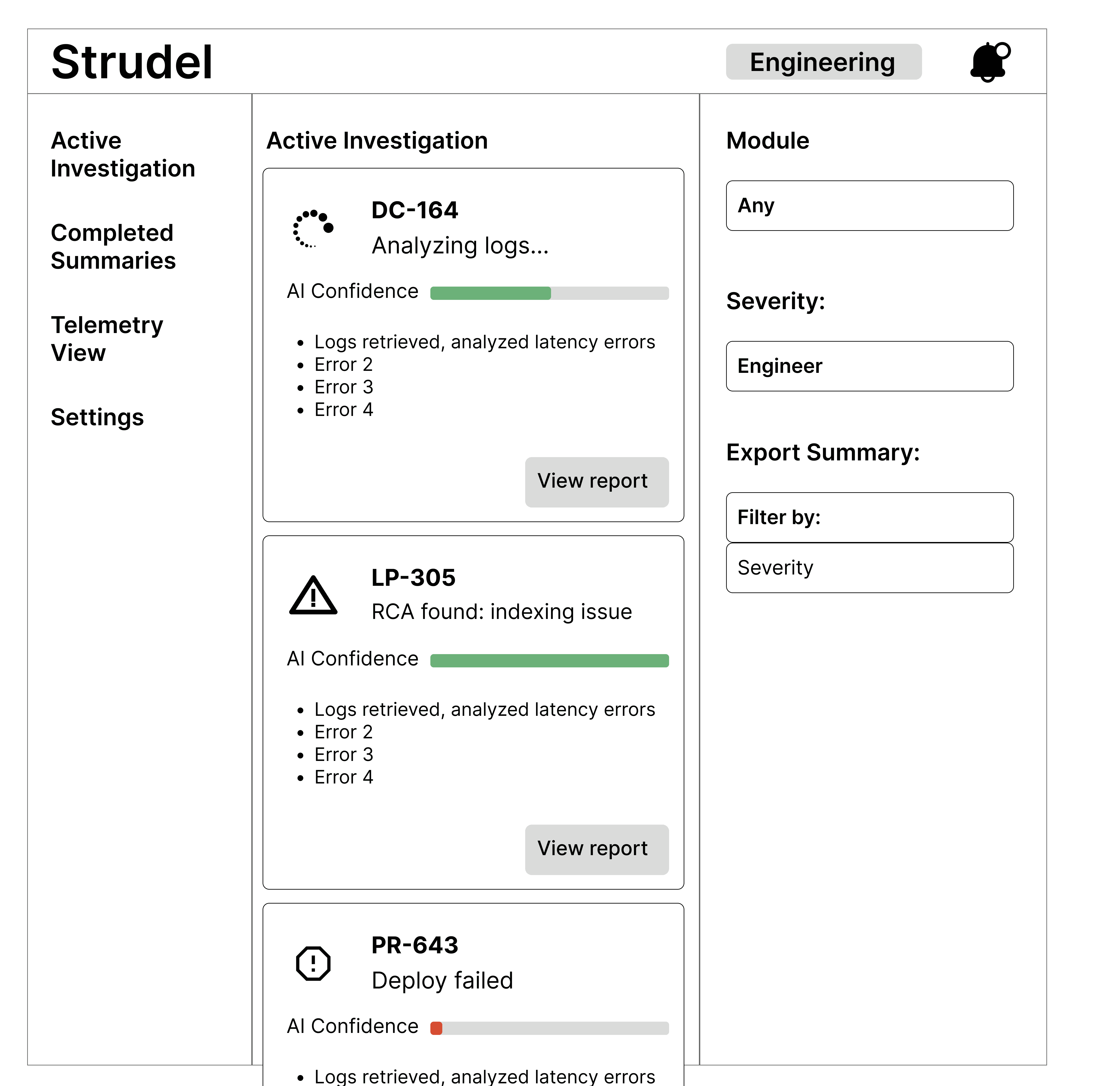
As Strudel moves toward first‑party dashboards, the same patterns scale into a comprehensive UI framework. The system supports deeper layouts, cross‑role workflows, and richer monitoring.
Platform capabilities enabled
Navigation system: sidebar, top bar, breadcrumbs
Data‑heavy components: tables, RCA timelines, monitoring charts
Role templates: agent dashboard, engineering RCA, admin metrics
Responsive grid for dashboards
Reuse of AI elements like Evidence Chips and Explainability Blocks for continuity


Impact & Takeaways
The design system improved both team velocity and agent trust.
Key outcomes
30–40% faster development using reusable components
Consistent Dawn identity across Freshdesk, Jira, Zendesk, and Slack
Higher agent confidence through explainability and verification patterns
Accessibility compliance improved QA pass rates
Smooth path to Strudel’s platform vision with minimal rework
Closing Reflection / What I learned?
Building consistency was only half the challenge. The bigger challenge was designing for two realities at once: today’s embedded assistant and tomorrow’s standalone platform. That pushed the work beyond visuals into trust, explainability, and scale.
Developer experience is user experience. Documentation drives adoption.
A design system is a living product. It evolves with the org.
Timing matters. Strudel was at the right maturity for a DS.
AI needs its own rules. Evidence and explainability patterns are as critical as buttons and forms.
Ultimately, this project wasn’t about individual components but about creating a shared language. That language now makes Dawn consistent, trustworthy, and scalable, whether living inside someone else’s tool or powering Strudel’s own platform.
User research
Research Methodology
We conducted a literature review, analyzing existing research articles, reports, and publications on luxury vehicle features and user expectations.
Global car Market Overview

We Began by familiarizing ourselves with the key players in the automotive sector. Although our primary focus lies on luxury cars, it's crucial to comprehend the broader market spectrum and their respective priorities. Here is what we found:
Mass Market cars
Large center display accessible to the front passenger is a fundamental requirement.
Optional driver displays to provide cost-saving options for customers.
Emphasis on easy navigation and functionality tailored to essential features.
Prioritized functions are Audio, Maps, and Clean content options.
Luxury cars
No restrictions on screen sizes and technology.
Consideration for passenger displays to enhance the overall luxury experience.
The luxury car users care about comfort, features, and convenience above all else.
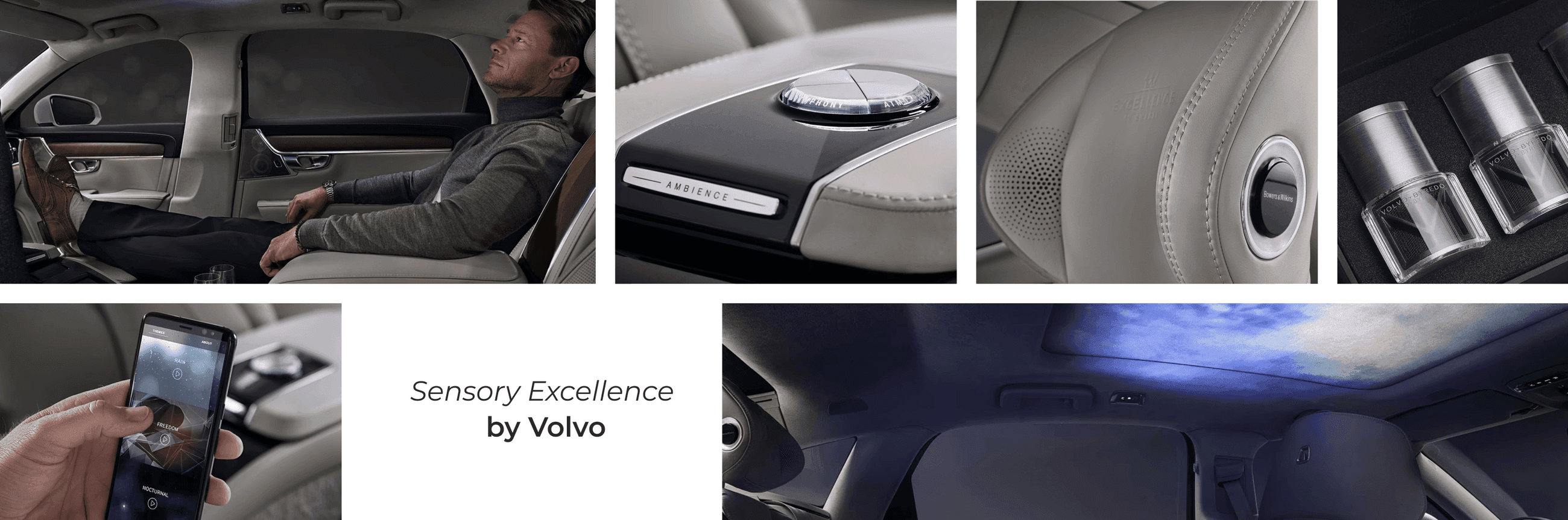
Luxury car brands use elegance, aesthetics, sound, storytelling, sensual imagery, lighting, ambiance, and lifestyle associations, to create a captivating experience.
Performance cars
Cluster and HUD screens are prioritized over center displays for performance enhancement.
Focus primarily on the driver; less concern for passenger comfort.
Gauges take precedence over audio and map functionalities.

According to market research, the luxury car market is expected to grow soon. This makes it even more important for us to keep in mind the increasing size of the market, especially because competitors are trying hard to stand out. Companies are paying close attention to how cars look, feel, and function inside. They're taking advantage of this opportunity by adding features that transform the in-car experience, like changing screen graphics, lighting, motion, and even sound.
Luxury car owners want more than just basic transportation - they're after something extra!.
The Benchmarks


Summary of Key Insights
Luxury vehicle users prioritize four main aspects: comfort, advanced features, convenience, and safety. Personalized comfort features, advanced technology, and high-quality entertainment options enhance the luxury driving experience. Seamless integration and reliable voice command systems provide convenience, while robust driver assistance systems and distraction-free interfaces ensure safety. Our design decisions, including theme customization, AI-driven personalization, and ergonomic HUD design, align with these priorities and aim to deliver a superior user experience.
Thank you for reading my case study!
Get in touch!
If you are in pursuit of a designer committed to turning challenges into delightful experiences, let's talk!
iamhtk@umich.edu
EXPLORE


© 2025 • Handmade with Figma, Framer, and love ❤️
Get in touch!
If you are in pursuit of a designer committed to turning challenges into delightful experiences, let's talk!
iamhtk@umich.edu
EXPLORE
© 2025 • Handmade with Figma, Framer, and love ❤️
Get in touch!
If you are in pursuit of a designer committed to turning challenges into delightful experiences, let's talk!
iamhtk@umich.edu
EXPLORE
© 2025 • Handmade with Figma, Framer, and love ❤️